
Disclosure: This post contains affiliate links. We may earn a small commission if you purchase through our links, at no extra cost to you. We only recommend products we've thoroughly researched.
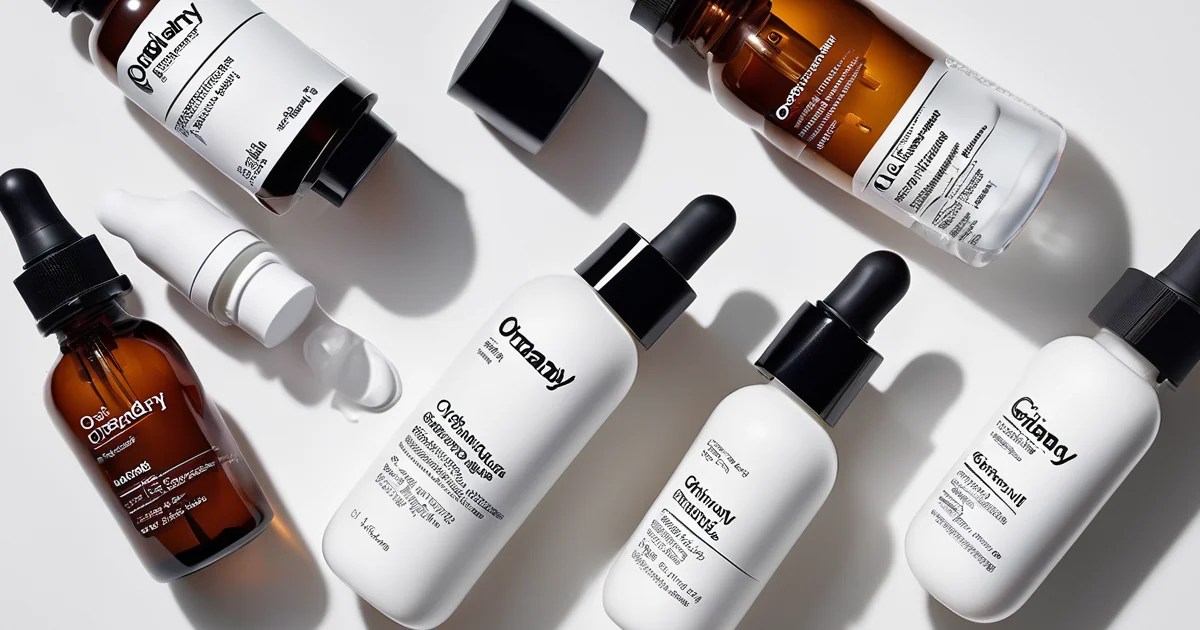
The Ordinary changed skincare forever by stripping away luxury packaging and marketing to deliver single-ingredient actives at prices that feel almost too good to be true. But the brand's clinical naming system — "Niacinamide 10% + Zinc 1%," "Buffet + Copper Peptides 1%" — turns what should be a simple drugstore trip into a confusing chemistry exam.
This complete The Ordinary skincare guide cuts through the overwhelm. We rank the genuinely worthwhile products, explain which ones are overhyped (or actively counterproductive when misused), and give you clear guidance on building a routine that actually works — whatever your budget or skin concern.
Who Is The Ordinary For?
The Ordinary works best for:
- Skincare enthusiasts who understand basic ingredient science (or want to learn)
- Budget-conscious shoppers who want effective actives without paying for branding
- People looking to add a single targeted treatment to an existing routine
- Those willing to patch test and introduce products slowly
The Ordinary is not ideal for complete skincare beginners who need hand-holding — the products work, but they require more knowledge to use safely than a curated "complete routine" kit from a brand like CeraVe or La Roche-Posay.
The Ordinary Product Categories: What They Are
The Ordinary organizes products into functional categories:
- Serums (Water-Based): Hyaluronic acid, niacinamide, "Buffet" — layered under oils and moisturizers
- Serums (Anhydrous/Oil-Based): Rosehip oil, squalane, vitamin C suspensions — applied after water-based products
- Acids (Chemical Exfoliants): Glycolic, lactic, mandelic, salicylic, the AHA/BHA Peeling Solution — use at night, not daily
- Retinoids: Multiple retinol and retinoid options across concentrations and formulations
- Vitamin C Derivatives: Multiple forms with different stabilities, textures, and penetration profiles
- Peptides: Buffet, Matrixyl 10%, Argireline
- Moisturizers: Natural Moisturizing Factors, squalane as a moisturizing finishing oil
- Eye Products: The Ordinary doesn't have a dedicated eye cream — their serums are applied to the orbital area
The Best The Ordinary Products (Worth Buying)
Niacinamide 10% + Zinc 1% — ~$8
The brand's single most universally useful product. Niacinamide at 10% addresses pore appearance, sebum regulation, redness, and melanin inhibition — making it effective for oily, acne-prone, and hyperpigmented skin simultaneously. Zinc adds mild sebostatic and anti-inflammatory properties. Fragrance-free, water-based, mixes seamlessly into any routine.
Who it's for: Oily, combination, acne-prone, uneven-toned skin. Works as a morning or evening serum.
Who should skip it: Those with extremely dry skin who don't need oil control — it's not moisturizing.
Hyaluronic Acid 2% + B5 — ~$9
A lightweight hydrating serum with multi-molecular weight hyaluronic acid (surface and deeper hydration layers) plus panthenol (vitamin B5) for barrier support. Apply to slightly damp skin and follow immediately with a moisturizer — without a moisturizer to seal it in, hyaluronic acid can actually pull moisture out of the skin in dry environments.
Who it's for: Every skin type, particularly dehydrated skin. Excellent as a first serum layer.
"Buffet" Multi-Technology Peptide Serum — ~$15
The Ordinary's most comprehensive anti-aging serum. Contains multiple peptide complexes (Matrixyl 3000, Matrixyl synthe'6, Leuphasyl, Argireline) alongside hyaluronic acid and amino acids. No actives that conflict with most other products, making it the easiest anti-aging product to slot into any routine.
Who it's for: Anyone targeting fine lines, firming, or collagen support without retinol's irritation potential.
Lactic Acid 5% + HA — ~$10
The gentlest entry-point chemical exfoliant in the lineup. Lactic acid exfoliates while also functioning as a humectant — making it ideal for dry, sensitive, or first-time AHA users. Use 2–3 nights per week, never on the same night as retinol.
Who it's for: Dry, dull, or sensitive skin needing exfoliation. Beginners to AHAs.
Glycolic Acid 7% Toning Solution — ~$12
A daily-use AHA toner at 7% — effective for brighter skin tone, improved texture, and addressing early hyperpigmentation. Best applied on a cotton pad after cleansing. The glycolic acid concentration is meaningful without being aggressive for most skin types.
Who it's for: Normal to oily skin, sun-damaged skin, those with rough texture. Not for sensitive or dry skin — use lactic acid instead.
Retinol 0.2% in Squalane — ~$8
A beginner-friendly entry into retinol — effective enough to deliver real cell turnover acceleration and collagen stimulation, gentle enough for new users. The squalane base is non-comedogenic and moisturizing, making this formula gentler than water-based retinol serums.
Who it's for: Retinol beginners, dry skin, sensitive skin.
Retinol 1% in Squalane — ~$8
For established retinol users who have worked up tolerance over months. 1% retinol is a strong OTC concentration with meaningful clinical evidence for fine line reduction and collagen stimulation. Use 3–4 nights per week max, always followed by a rich moisturizer.
Who it's for: Experienced retinol users, anti-aging priority.
Salicylic Acid 2% Solution — ~$9
A 2% BHA exfoliant in a lightweight serum format. Oil-soluble salicylic acid penetrates pores to dissolve the sebum-dead cell mix behind blackheads and breakouts. Use 2–3 nights per week on problem areas.
Who it's for: Oily, acne-prone, congested skin with blackheads or clogged pores.
100% Plant-Derived Squalane — ~$9
Pure squalane oil — one of the best finishing oils in skincare at any price. Mimics the skin's own sebum, is completely non-comedogenic, and provides an occlusive layer over your moisturizer to prevent moisture loss overnight. Also excellent as a carrier oil to dilute retinol for sensitive skin (the "sandwich method").
Who it's for: Every skin type, including oily — squalane doesn't clog pores. Best as the final PM step.
Natural Moisturizing Factors + HA — ~$8
A moisturizer formulated to mirror the skin's own natural moisturizing factors: amino acids, fatty acids, hyaluronic acid, ceramides, and glycerin. An excellent lightweight daily moisturizer for normal to oily skin, and a decent barrier maintenance option for moderate dryness.
Who it's for: Normal, oily, or combination skin. Too light for severe dryness.
AHA 30% + BHA 2% Peeling Solution — ~$10
The Ordinary's most famous (and most misused) product. A weekly leave-on peel with 30% glycolic acid and 2% salicylic acid — genuine treatment-level exfoliation, not a daily serum. The bright red color is from Tasmanian pepperberry extract. Used correctly (weekly, 10 minutes maximum, no overlap with other actives), it produces real brightening results.
Used incorrectly — daily, combined with retinol, or left on too long — it causes significant barrier damage.
Who it's for: Experienced skincare users only. Once per week maximum. Never for beginners or sensitive skin.
What to Skip (Or Use With Caution)
Vitamin C Suspension 23% + HA Spheres 2%
A gritty, high-irritation anhydrous vitamin C formula. The 23% L-ascorbic acid concentration causes significant tingling, stinging, and peeling for most users. There are far more elegant vitamin C options from The Ordinary and other brands. Skip unless you specifically need a high-concentration L-ascorbic acid treatment and know how to tolerate it.
Better alternative: TruSkin Vitamin C Serum or SkinCeuticals C E Ferulic for vitamin C; The Ordinary Ascorbyl Glucoside Solution 12% if you want a stable, less irritating vitamin C from the brand.
Copper Peptides 1%
Not a bad product — but requires product separation protocols that most users don't follow. Copper peptides conflict with direct acids (AHAs, BHAs, vitamin C) and should not be used in the same routine. If you're already using multiple actives, copper peptides require careful scheduling. Advanced users only.
Alpha Arbutin 2% + HA
Actually a solid hyperpigmentation product — but frequently overhyped. The 2% alpha arbutin concentration inhibits melanin production effectively, but results for significant hyperpigmentation require combination with vitamin C and rigorous SPF. Don't expect dramatic brightening from this alone.
"Buffet" + Copper Peptides 1%
Combines the multi-peptide Buffet with copper peptides — see copper peptide note above. Requires the same product separation discipline. If you're not committed to separating from acids strictly, use plain Buffet instead.
Building a The Ordinary Routine: By Skin Concern
For Acne and Congestion (AM + PM)
AM: Niacinamide 10% → Natural Moisturizing Factors → SPF
PM: Salicylic Acid 2% (3×/week) OR Lactic Acid 5% (alternating) → Niacinamide 10% → Natural Moisturizing Factors
For Anti-Aging and Collagen Support
AM: Ascorbyl Glucoside Solution 12% (vitamin C) → Hyaluronic Acid 2% → moisturizer → SPF
PM: Retinol 0.2% (build to 1% over months) → Squalane oil as final step
For Hyperpigmentation and Brightening
AM: Ascorbyl Glucoside 12% → Niacinamide 10% → SPF (non-negotiable)
PM: Glycolic Acid 7% toner (3×/week) → Alpha Arbutin 2%
For Dry, Dehydrated Skin
AM: Hyaluronic Acid 2% + B5 (damp skin) → Natural Moisturizing Factors → SPF
PM: "Buffet" Peptide Serum → Natural Moisturizing Factors → Squalane oil
Layering Rules: The Ordinary's Own Guidance
The brand publishes official "conflicts and layering" guidance. Key rules:
- Water-based serums before oil-based — always
- Don't combine direct acids with pure vitamin C — different pH requirements cause irritation
- Don't combine direct acids with retinoids — over-exfoliation risk
- Don't combine vitamin C with niacinamide at high concentrations — minor conflict can cause flushing in sensitive skin (though this concern is somewhat overstated)
- Apply thinnest to thickest — water serums → emulsions → oils
Comparison Table: Top The Ordinary Picks
| Product | Concern | Type | Price |
|---|---|---|---|
| Niacinamide 10% + Zinc 1% | Pores, oiliness, redness | Water serum | ~$8 |
| Hyaluronic Acid 2% + B5 | Hydration | Water serum | ~$9 |
| "Buffet" Peptide Serum | Anti-aging, firmness | Water serum | ~$15 |
| Lactic Acid 5% + HA | Gentle exfoliation | Acid | ~$10 |
| Glycolic Acid 7% Toning Solution | Texture, brightness | Acid | ~$12 |
| Retinol 0.2% in Squalane | Anti-aging (beginners) | Retinoid | ~$8 |
| Retinol 1% in Squalane | Anti-aging (advanced) | Retinoid | ~$8 |
| AHA 30% + BHA 2% Peeling Solution | Weekly peel | Acid treatment | ~$10 |
| Salicylic Acid 2% Solution | Acne, blackheads | Acid | ~$9 |
| 100% Plant-Derived Squalane | Barrier, hydration | Oil | ~$9 |
Frequently Asked Questions
Q: What are the best The Ordinary products for beginners?
A: Start with three: Niacinamide 10% + Zinc 1% (universal brightening and oil control), Hyaluronic Acid 2% + B5 (hydration), and either Lactic Acid 5% (for gentle exfoliation 2–3 nights per week) or Retinol 0.2% in Squalane (for anti-aging, one night per week to start). These four products cover the basics safely, have very low irritation risk when used correctly, and are compatible with each other. Add SPF from any trusted brand and you have a complete routine for under $35.
Q: Is The Ordinary safe to use every day?
A: Most hydrating products (Niacinamide, Hyaluronic Acid, Buffet, squalane) are safe daily. Actives — AHAs, BHAs, retinols, the Peeling Solution — should never be used daily. Glycolic Acid 7% Toning Solution is marketed as a daily toner but 2–3 times per week is safer for most users. Always introduce new actives one at a time with a week between additions, and never combine multiple exfoliants in one session.
Q: Why does my skin peel after using The Ordinary products?
A: Peeling almost always indicates over-exfoliation — either using an acid too frequently, at too high a concentration for your skin's current tolerance, or combining multiple actives that together exceed your skin's capacity. If you're experiencing peeling, stop all actives immediately. Switch to a simple ceramide moisturizer (CeraVe Moisturizing Cream) and SPF only until skin recovers (1–3 weeks). Then reintroduce one product at a time, starting with the mildest options.
Q: Can I use The Ordinary Vitamin C with Niacinamide?
A: This is a persistent skincare myth that the research largely doesn't support. The concern is that combining vitamin C and niacinamide produces nicotinic acid, causing flushing — but this reaction requires high heat that doesn't occur on skin. Modern formulations in well-controlled pH ranges rarely cause issues. However, if you're using a high-concentration, low-pH L-ascorbic acid vitamin C, apply it first and wait 20–30 minutes before applying niacinamide to be safe. Or use a more stable vitamin C derivative (like Ascorbyl Glucoside 12%) which doesn't have the same pH conflict issue.
Conclusion
The Ordinary is genuinely one of the best value skincare brands available — but only when you use it with the right knowledge. The products that work are excellent. The products that are misused cause real harm to skin barriers.
Start small: Niacinamide + Hyaluronic Acid + one acid (lactic or glycolic, not both). Add retinol separately after a month. Build up. The Ordinary rewards patience and rewarded understanding of ingredients more than any other mainstream skincare brand.
Pair this guide with our complete AHA vs BHA exfoliants guide and how to repair a damaged skin barrier so you know what to do if you over-exfoliate.
0 Comments
Leave a Comment
Your email won't be published. Comments are moderated.
No comments yet. Be the first to share your thoughts!