
Disclosure: This post contains affiliate links. We may earn a small commission if you purchase through our links, at no extra cost to you. We only recommend products we've thoroughly researched.
The skincare conversation around anti-aging has long been dominated by retinol — and for good reason. But in the past decade, peptide serums have emerged as a genuinely compelling alternative for people who can't tolerate retinol, want to complement their retinol routine, or are looking for the most well-rounded anti-aging approach available.
The question "are peptides better than retinol?" misframes the comparison. Peptide serum benefits are real and backed by clinical research — but peptides and retinol work differently, suit different people, and are most powerful when used strategically together. Here's everything you need to know to use them right.
What Are Peptides?
Peptides are short chains of amino acids — the building blocks of proteins. In skincare, topical peptides serve as biological signals that communicate instructions to skin cells.
Different peptide sequences signal different actions:
- Stimulate collagen production (Matrixyl peptides, copper peptides)
- Relax facial muscles to reduce expression lines (Argireline)
- Improve skin hydration and elasticity (Leuphasyl, palmitoyl peptides)
- Reduce inflammation and support repair (acetyl tetrapeptide series)
The key distinction: peptides don't exfoliate. They don't accelerate cell turnover. They work entirely through cellular signaling — instructing skin to produce more of what it's losing (collagen, elastin, structural proteins) rather than forcing the rapid shedding cycle that retinol drives.
How Peptides Work in Skin
Collagen is a protein — made up of amino acid chains, including peptides. When collagen breaks down through aging, UV damage, and inflammation, the fragments (called "matrikines") signal to the skin that repair is needed. Topical peptides mimic these matrikine signals, effectively telling skin cells that collagen has been damaged and new synthesis is needed.
This is the mechanism behind the most studied peptide complex in skincare: Matrixyl 3000 (palmitoyl tripeptide-1 + palmitoyl tetrapeptide-7). A study published in the International Journal of Cosmetic Science found that Matrixyl 3000 at 3% significantly increased collagen and hyaluronic acid synthesis in human skin fibroblasts.
The practical implication: Peptides actually stimulate the same end-result as retinol (more collagen) but through a different mechanism — and without any of retinol's irritation, photosensitivity, or peeling.
Peptides vs Retinol: What's the Real Difference?
| Feature | Peptides | Retinol |
|---|---|---|
| Mechanism | Cellular signaling | Cell turnover acceleration + collagen gene activation |
| Irritation risk | None | Significant — redness, peeling, dryness |
| Photosensitivity | None | Yes — must use at night only |
| Results timeline | 8–12 weeks | 12–16 weeks for visible anti-aging |
| Compatible with | Almost everything (avoid direct acids) | Limited — conflicts with AHAs, BHAs, vitamin C in same session |
| Safe in pregnancy? | Generally yes | No — retinoids are contraindicated |
| Suitable for sensitive skin? | Excellent | Problematic without careful introduction |
| Best for | Firmness, hydration, barrier support | Wrinkle depth, cell renewal, hyperpigmentation |
The ideal approach for most anti-aging routines: use retinol 3–4 nights per week, and use a peptide serum on the alternate nights. This gives you the accelerated collagen stimulation of retinol alongside the calmer, consistent signaling of peptides — with peptide nights giving the skin recovery time from retinol.
The Most Effective Peptide Types in Skincare
Matrixyl 3000 (Palmitoyl Tripeptide-1 + Palmitoyl Tetrapeptide-7)
The most studied peptide complex for anti-aging. Stimulates collagen I, III, and IV synthesis. The gold standard for anti-wrinkle peptide formulations. Look for products listing both components.
Matrixyl Synthe'6
A next-generation Matrixyl complex that additionally stimulates collagen XVII, fibronectin, and hyaluronic acid production — addressing a broader range of structural aging changes. Visible plumping and lifting effect.
Argireline (Acetyl Hexapeptide-3)
Often called "Botox in a bottle" — a phrase that overpromises, but the underlying mechanism is real. Argireline inhibits neurotransmitter release at the muscular level, mildly relaxing the muscles responsible for expression lines. Results are subtle, not Botox-level, but meaningful with consistent use.
Copper Peptides (GHK-Cu)
Copper-bound peptide complexes with both collagen-stimulating and antioxidant properties. Also promote wound healing and skin regeneration. Note: copper peptides conflict with direct acids and high-concentration vitamin C — require careful routine separation.
Leuphasyl
Works synergistically with Argireline to reduce expression line depth. Often combined with Argireline in firming serums for a compounding effect.
Acetyl Tetrapeptide-5
Specifically targets puffiness by reducing vascular permeability — particularly effective in eye creams for under-eye fluid retention.
Best Peptide Serums in 2026
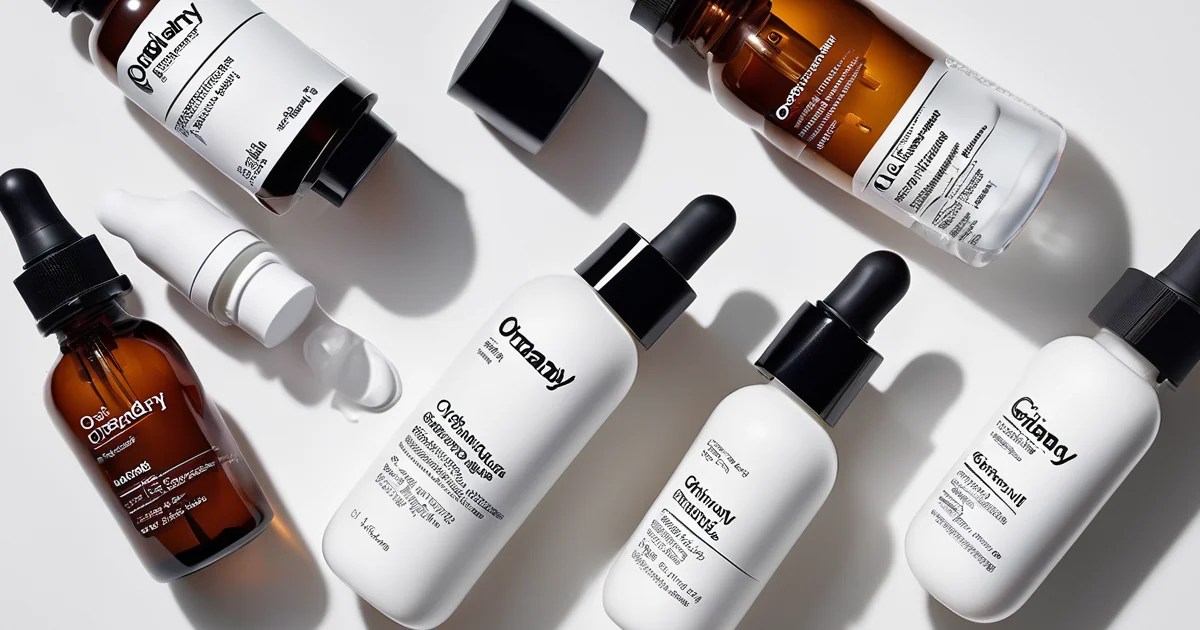
1. Best Overall: The Ordinary "Buffet" Multi-Technology Peptide Serum — ~$15
Contains Matrixyl 3000, Matrixyl Synthe'6, Leuphasyl, Argireline, and hyaluronic acid in one affordable formula. Covers nearly every peptide pathway relevant to anti-aging collagen support and expression line relaxation. Water-based, fragrance-free, compatible with nearly any routine. The obvious starting point for anyone exploring peptides on a budget.
Use: AM or PM (not on same night as retinol — use alternating)
2. Best Mid-Range: Paula's Choice Peptide Booster — ~$56
High-concentration Matrixyl 3000 and Matrixyl Synthe'6 alongside hyaluronic acid and ceramides. Paula's Choice formulations are fragrance-free, paraben-free, and backed by thorough ingredient documentation. This is a targeted peptide treatment that works particularly well added as a booster to your existing moisturizer.
Use: AM or PM, mixed into moisturizer or applied alone
3. Best Luxury: SkinCeuticals H.A. Intensifier Multi-Glycan Serum — ~$108
While marketed as a hyaluronic acid serum, this formula combines HA with proxylane and licorice root — ingredients that support the structural matrix around skin cells. Not a pure peptide serum, but delivers complementary collagen-support pathway stimulation alongside deep hydration.
Use: AM or PM
4. Best for Firmness: Olay Regenerist Micro-Sculpting Serum — ~$30
Olay's proprietary amino-peptide complex delivers consistent, meaningful results in clinical testing — including Olay's own published studies comparing it against competitors at ten times the price. The formula includes niacinamide and B3 alongside peptides for a comprehensive anti-aging approach. One of the most studied over-the-counter peptide formulas available.
Use: AM or PM
5. Best for Retinol-Sensitive Skin: No7 Restore & Renew Face & Neck Multi Action Serum — ~$30
Matrixyl 3000 at a concentration tested in Boots' own clinical trials, showing visible wrinkle reduction after 4 weeks. A gentle, well-tolerated option for those who react badly to retinol. Particularly effective for neck and jawline, which are typically neglected in anti-aging routines.
Use: AM or PM
6. Best Eye-Area Peptide: Peter Thomas Roth Peptide 21 Lift & Firm Eye Cream — ~$65
21-peptide complex combined with retinol and vitamin C specifically calibrated for the periorbital area. Addresses fine lines, puffiness, and dark circles simultaneously. One of the most comprehensive eye-area treatments available.
Use: AM and PM
7. Best Budget: Neutrogena Rapid Firming Peptide Contour Lift Serum — ~$25
Peptide technology combined with niacinamide in an accessible drugstore serum. Not as comprehensively formulated as the Olay or Paula's Choice options, but delivers meaningful daily peptide exposure at a price that makes consistent use easy to maintain.
Use: AM or PM
Comparison Table
| Peptide Serum | Primary Benefit | Key Peptides | Price |
|---|---|---|---|
| The Ordinary "Buffet" | Overall anti-aging, budget | Matrixyl 3000 + Synthe'6 + Argireline | ~$15 |
| Paula's Choice Peptide Booster | Collagen stimulation | Matrixyl 3000 + Synthe'6 | ~$56 |
| Olay Regenerist Serum | Firmness, comprehensive | Amino-peptide complex + niacinamide | ~$30 |
| No7 Restore & Renew | Retinol alternative, gentle | Matrixyl 3000 | ~$30 |
| Peter Thomas Roth Peptide 21 Eye | Eye area, lifting | 21-peptide complex | ~$65 |
| Neutrogena Rapid Firming | Budget, pore-to-store | Peptide blend + niacinamide | ~$25 |
How to Use Peptide Serums in Your Routine
Placement: After cleansing (and toner if used), before moisturizer. Apply to dry or slightly damp skin.
Frequency: Daily — peptides have no irritation risk and benefit from consistent daily signaling. Use every morning or every evening, or both.
With retinol: On retinol nights, use retinol only — skip the peptide serum. On non-retinol nights (the other 3–4 nights per week), apply the peptide serum. This maximizes both actives while giving the skin recovery time from retinol.
Conflicts: Peptides are generally very compatible with other ingredients. The main exception is copper peptides, which conflict with direct acids (AHAs, BHAs) and high-concentration vitamin C. Standard Matrixyl-type peptides are conflict-free.
Concentration matters: The Ordinary's Buffet lists multiple peptide complexes but at relatively low individual concentrations. Paula's Choice Peptide Booster uses higher concentrations of fewer complexes. Neither approach is definitively superior — different delivery systems affect how much actually penetrates.
Frequently Asked Questions
Q: How long do peptide serums take to work?
A: Peptide serums work through a slower, cumulative signaling pathway than retinol. Expect 8–12 weeks of consistent daily use before evaluating visible changes in skin firmness and fine line depth. The skin's collagen synthesis cycle takes time — the signal is immediate, but the structural protein production takes weeks to build up. Before-and-after photos at 12 weeks with consistent use are the most reliable way to assess results.
Q: Can I use a peptide serum with vitamin C?
A: Standard Matrixyl-type peptides are compatible with vitamin C serums. Apply vitamin C first (as a lower-pH product), wait 20–30 minutes, then apply the peptide serum. Copper peptides specifically should not be combined with high-concentration L-ascorbic acid vitamin C, as the acid can break down the copper complex. If your peptide serum contains copper peptides, separate it from vitamin C by AM/PM — vitamin C in the morning, peptides at night.
Q: Are peptide serums worth it over retinol?
A: Peptides and retinol aren't competing — they're complementary. Retinol is still the most clinically proven single anti-aging ingredient for visible wrinkle reduction. But peptides serve a distinct role: they're suitable every day (retinol isn't), work when retinol can't be used (pregnancy, sensitive skin), cause zero irritation, and target collagen stimulation through a pathway retinol doesn't cover. For a complete anti-aging routine, both are valuable. If forced to choose one, retinol has the stronger clinical evidence — but peptides are the better choice for sensitive or reactive skin.
Q: Do over-the-counter peptide serums actually penetrate the skin?
A: This is the central scientific debate around topical peptides. Early criticism was that peptides were too large to penetrate the stratum corneum. Modern research using lipid-conjugated peptides (the "palmitoyl" prefix on Matrixyl peptides) and nano-encapsulation delivery systems has addressed this — there is now peer-reviewed evidence that specific peptide complexes (Matrixyl 3000 in particular) reach the dermis and stimulate collagen synthesis in fibroblasts at clinically relevant concentrations. Not all peptide serums penetrate equally — those using palmitoyl-conjugated delivery systems (Matrixyl 3000, Matrixyl Synthe'6) have the strongest evidence.
Conclusion
Peptide serum benefits are real, evidence-backed, and genuinely valuable in any anti-aging routine — regardless of whether you also use retinol. They're particularly compelling for people who can't tolerate retinol, are pregnant, or want the most complete collagen-support approach. Peptides are not a retinol replacement in terms of cell turnover — but they're an excellent companion and a genuinely superior choice for the anti-aging nights when retinol isn't in use.
Start with The Ordinary "Buffet" if you're on a budget, Olay Regenerist Serum for proven clinical results at a mid-range price, or Paula's Choice Peptide Booster if you want a higher-concentration dedicated treatment. Use consistently. Give it 12 weeks. The collagen-stimulating benefits compound over time.
Continue your anti-aging routine with our guide on how to use retinol safely and the best anti-aging serums ranked.
0 Comments
Leave a Comment
Your email won't be published. Comments are moderated.
No comments yet. Be the first to share your thoughts!