
Disclosure: This post contains affiliate links. If you purchase through our links, we may earn a small commission at no extra cost to you. We only recommend products we genuinely believe in.
Starting a skincare routine for beginners can feel completely overwhelming. Between the endless product options, confusing ingredient names, and conflicting advice online, it's easy to either buy too much or give up before you start. The good news? Building a skincare routine doesn't have to be complicated. In fact, the most effective beginner routine uses just five simple steps — and once you understand the basics, everything else falls into place naturally.
This guide walks you through exactly what to do, in what order, morning and night. No jargon, no confusion — just clear, actionable steps that dermatologists actually stand behind.
Why Skincare Matters (Even in Your 20s)
Your skin is your body's largest organ, and it faces daily assault from UV rays, pollution, stress, and environmental damage. A consistent routine doesn't just make your skin look better — it actively protects it from premature aging, hyperpigmentation, and long-term damage.
The American Academy of Dermatology (AAD) consistently recommends starting a basic skincare routine early, especially sunscreen, regardless of your age. Even a simple routine of cleanser, moisturizer, and SPF has been shown in studies to reduce visible aging by up to 20% over five years compared to no routine at all.
The key isn't complexity — it's consistency. A five-step routine you actually do every day will always outperform a 12-step routine you abandon after a week.
The Basic 5-Step Skincare Routine
| Step | Product | AM | PM | Function |
|---|---|---|---|---|
| 1 | Cleanser | Yes | Yes | Remove dirt, oil, makeup, sunscreen |
| 2 | Toner | Optional | Optional | Balance pH, prep skin for actives |
| 3 | Serum | Yes | Yes | Deliver concentrated active ingredients |
| 4 | Moisturizer | Yes | Yes | Seal in hydration, strengthen barrier |
| 5 | SPF | Yes | No | Protect against UV damage |
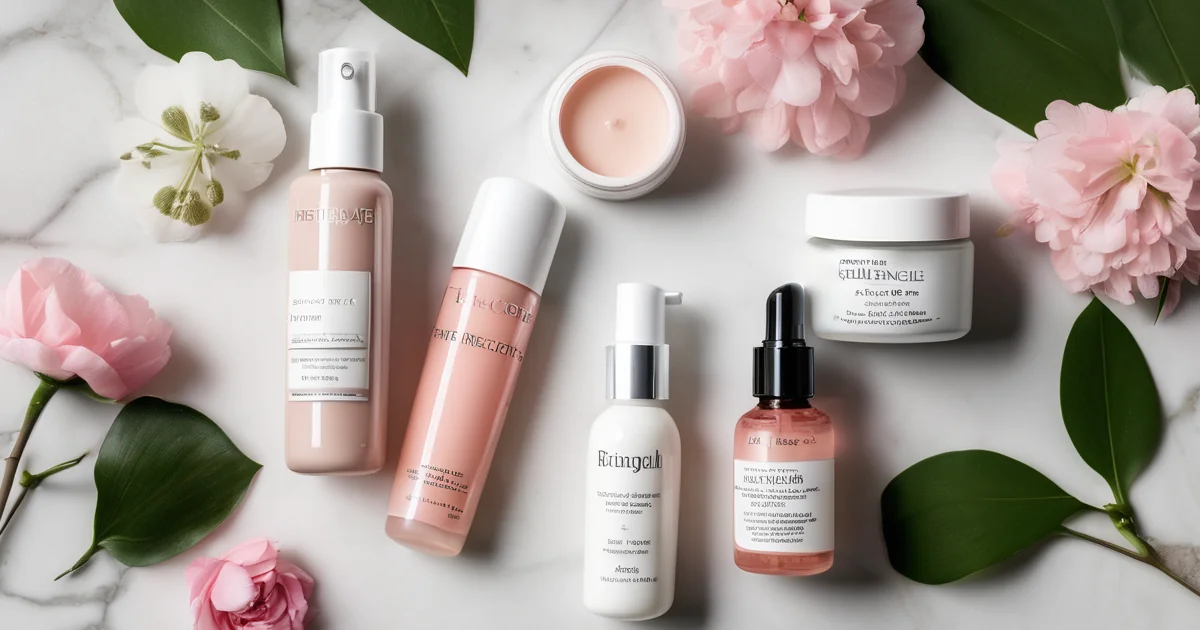
Every solid skincare routine follows the same core structure, built around these five products:
- Cleanser — removes dirt, oil, makeup, and sunscreen
- Toner — balances skin pH and preps skin for the next steps
- Serum — delivers concentrated active ingredients to target specific concerns
- Moisturizer — seals in hydration and strengthens your skin barrier
- SPF — protects against UV damage (morning only)
As a rule of thumb, apply products from thinnest to thickest consistency. Water-based products go first; oils and creams go last. This ensures each product can penetrate properly without being blocked by a heavier formula sitting on top.
Morning Skincare Routine (Step-by-Step)
Your AM routine focuses on protection. You're preparing your skin to face the day — UV rays, pollution, and all.
Step 1: Gentle Cleanser
Start with a gentle cleanser to remove overnight oil buildup without stripping your skin. In the morning, you don't need anything aggressive — your skin wasn't exposed to makeup or SPF overnight.
What to look for: Gel or foam cleanser for oily skin; cream or milk cleanser for dry or sensitive skin.
Time: 30–60 seconds of gentle massaging, then rinse with lukewarm water. Hot water strips the skin barrier.
Step 2: Toner (Optional but Recommended)
Apply toner with a cotton pad or your clean hands, patting gently into the skin. A good hydrating toner adds a layer of moisture and helps the rest of your routine absorb better.
Skip it if: You have very minimal skin concerns and want to keep things simple. Your routine will still work without it.
Step 3: Serum
This is where you target your specific skin concerns — whether that's hydration, brightening, or early signs of aging. For most beginners, a simple hyaluronic acid serum is the perfect starting point because it works for every skin type and delivers deep hydration.
Apply a pea-sized amount and press gently into the skin. Don't rub.
Step 4: Moisturizer
Even oily skin needs moisturizer — skipping it can actually make your skin produce more oil to compensate. Apply your moisturizer while your skin is still slightly damp from the serum to lock in hydration.
Oily/combo skin: Gel moisturizer or lightweight lotion
Dry skin: Rich cream or balm
Step 5: SPF (Non-Negotiable)
Sunscreen is the single most impactful anti-aging product that exists. It prevents UV damage, hyperpigmentation, and skin cancer. Apply it as the very last step in your morning routine, after moisturizer.
Use a broad-spectrum SPF 30 or higher every single morning — even when it's cloudy, even when you're working indoors (UV rays penetrate windows).
Night Skincare Routine (Step-by-Step)
Your PM routine focuses on repair and renewal. While you sleep, your skin naturally goes into recovery mode — the right products help it do that more effectively.
Step 1: Double Cleanse (If You Wear Makeup or SPF)
Double cleansing is a two-step process: start with an oil-based cleanser or micellar water to dissolve makeup and sunscreen, then follow with your regular cleanser to clean the skin itself.
If you don't wear makeup and only used a mineral SPF, a single gentle cleanse is usually enough.
Step 2: Toner
Same toner as the morning, applied the same way. At night, look for toners with ingredients like niacinamide, glycerin, or hyaluronic acid to support your skin's overnight repair process.
Step 3: Serum (or Treatment)
At night, you can use a slightly more active serum. Beginners do well with:
- Hyaluronic acid — for hydration
- Niacinamide — for pores, oiliness, and uneven skin tone
- Vitamin C — for brightening (though this works in AM too)
Once you're comfortable with the basics, this is the step where you'd introduce retinol — but give yourself at least 4–6 weeks with a simple routine first.
Step 4: Moisturizer
At night, you can go slightly richer than your morning moisturizer. Your skin is in repair mode and can handle — and benefit from — more nourishment. Look for ceramides, shea butter, or peptides in your night moisturizer.
Step 5: Face Oil or Sleeping Mask (Optional)
If your skin is very dry or you want extra nourishment, apply a facial oil or overnight sleeping mask as the last step to seal everything in. This is the "occlusive" layer that prevents moisture loss while you sleep.
Best Beginner Skincare Products in 2026
You don't need expensive products to get great skin. These are beginner-friendly, widely available, and recommended by dermatologists:
Best Cleanser: CeraVe Hydrating Facial Cleanser
- Why: Contains ceramides and hyaluronic acid — cleans without stripping
- Skin types: Dry, normal, sensitive
- Price: ~$15
Best Toner: COSRX AHA/BHA Clarifying Treatment Toner
- Why: Gentle exfoliating toner that works for all skin types
- Skin types: All, especially oily/combo
- Price: ~$22
Best Beginner Serum: The Ordinary Hyaluronic Acid 2% + B5
- Why: Deeply hydrating, simple formula, ultra-affordable
- Skin types: All
- Price: ~$10
Best Moisturizer: Neutrogena Hydro Boost Water Gel
- Why: Lightweight hyaluronic acid gel that works for oily and dry skin alike
- Skin types: All, especially oily/combo
- Price: ~$20
Best SPF: La Roche-Posay Anthelios Melt-in Milk SPF 100
- Why: Lightweight, no white cast, water-resistant — beloved by dermatologists worldwide
- Skin types: All
- Price: ~$38
Common Beginner Mistakes to Avoid
Even with the right products, these mistakes can undermine your routine:
1. Skipping sunscreen on cloudy days
UV rays penetrate clouds and windows. SPF is a daily non-negotiable, not a sunny-day option.
2. Using too many new products at once
Introduce one new product at a time, spaced at least one week apart. If your skin reacts, you'll know exactly what caused it.
3. Over-exfoliating
Beginners often assume scrubbing harder = cleaner skin. Physical scrubs and chemical exfoliants used too frequently damage your skin barrier and cause redness, sensitivity, and breakouts.
4. Touching your face
Your hands carry bacteria. Even with a perfect routine, constantly touching your face transfers oil and bacteria that causes breakouts.
5. Expecting overnight results
Most skincare ingredients need 4–12 weeks of consistent use before visible results appear. Be patient.
6. Using the wrong products for your skin type
A gel moisturizer won't cut it for very dry skin, and a thick cream will clog pores on oily skin. Know your skin type before buying.
Frequently Asked Questions
Q: What order should I apply skincare products in the morning?
A: Apply in this order: cleanser → toner → serum → moisturizer → SPF. The rule is thinnest to thickest — water-based, lightweight products go first so they can absorb into skin before heavier creams and oils are applied on top. Always finish with SPF as the absolute last step in the morning.
Q: How do I build a skincare routine for acne-prone skin?
A: Start with a gentle, non-comedogenic (won't clog pores) cleanser like CeraVe Foaming Facial Cleanser. Add a niacinamide serum to control oil and reduce pore appearance, and a lightweight oil-free moisturizer. Use SPF daily. Once comfortable, introduce a BHA (salicylic acid) toner 2–3 times per week to help unclog pores. Avoid heavy oils and fragrance, which can trigger breakouts.
Q: How long should a skincare routine take?
A: A basic morning routine takes 3–5 minutes. Evening takes 5–10 minutes (slightly longer due to double cleansing). You don't need to spend more time than that — consistency matters far more than duration.
Q: Do I need a separate eye cream as a beginner?
A: No — eye cream is not essential for beginners. The skin around your eyes is thinner and more delicate, but a gentle moisturizer patted around the orbital bone works just as well in the early stages. Consider adding an eye cream once you've established your basic routine and want to target specific concerns like dark circles or puffiness.
Conclusion
Building a skincare routine for beginners comes down to five steps, done consistently, with products suited to your skin type. Start simple — cleanser, moisturizer, and SPF are all you truly need — and build from there as your skin adjusts and your knowledge grows.
The most important thing isn't which brand you choose or how many steps you follow. It's showing up for your skin every morning and every night. Give it 6–8 weeks of consistency, and you'll see the difference.
Ready to go deeper? Check out our guides on the best serums for beginners and how to find your skin type to take your routine to the next level.

0 Comments
Leave a Comment
Your email won't be published. Comments are moderated.
No comments yet. Be the first to share your thoughts!