
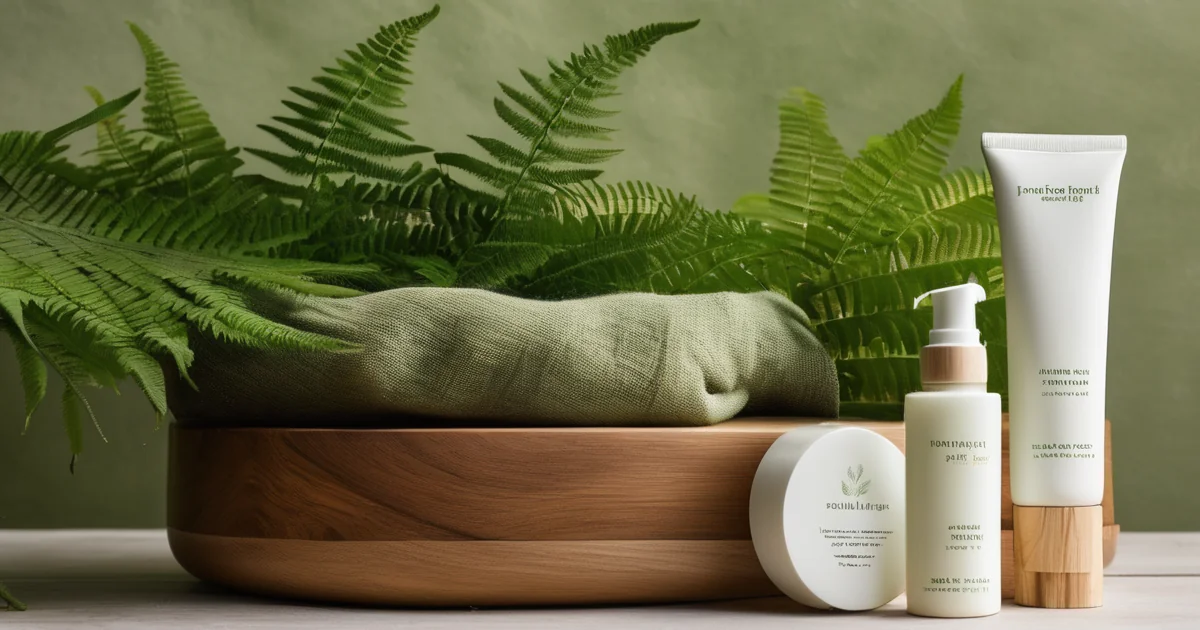
Clean beauty is one of the most searched and most misunderstood terms in the modern beauty industry. Walk into any Sephora, scroll any beauty brand's Instagram, or read any product label, and "clean" is everywhere — on luxury serums, drugstore moisturizers, deodorant sticks, and everything in between. But what is clean beauty, exactly? And does the label actually mean your product is safer?
The honest answer is more nuanced than either the enthusiastic clean beauty advocates or the dismissive dermatologists will tell you. Here's a clear-eyed, evidence-grounded look at what clean beauty really means and what it doesn't.
Clean Beauty Has No Regulated Definition
This is the foundational fact that changes everything: in the United States, the European Union, and most global markets, "clean beauty" is not a legally defined term. Any brand can call any product "clean" without meeting any external standard, third-party certification, or regulatory requirement.
This is not a minor technicality — it means "clean" on a product label tells you nothing specific without knowing what standards that particular brand applies to the term.
Compare this to "organic," which in the US requires USDA certification, or "SPF 30," which requires FDA-standardized testing. "Clean" carries no equivalent obligation.
What this means practically: two products both labeled "clean" can have entirely different formulations, ingredient philosophies, and actual safety profiles — because each brand defines clean on its own terms.
How Brands Typically Define "Clean"
Despite the regulatory gap, most brands that adopt a "clean" positioning share some common ingredients they exclude. The most frequently cited exclusions:
Parabens (methylparaben, propylparaben, butylparaben) — preservatives with estrogen-mimicking properties in laboratory studies. The clinical relevance at cosmetic exposure levels remains debated, but widespread consumer concern has led most brands — clean and conventional — to reformulate without them.
Phthalates — plasticizers used in fragrance formulations to make scents last longer. Like parabens, animal studies raised concerns at high doses; exposure through cosmetics is generally much lower than levels studied.
Sulfates (sodium lauryl sulfate, sodium laureth sulfate) — surfactants that produce lather in cleansers and shampoos. Not a significant safety concern for most people, but can be irritating for sensitive or dry skin. Their exclusion from "clean" formulations is arguably more about skin gentleness than toxicology.
Formaldehyde and formaldehyde-releasing preservatives (DMDM hydantoin, imidazolidinyl urea) — preservatives that slowly release small amounts of formaldehyde. Formaldehyde is a known carcinogen at high levels; cosmetic exposure levels are much lower, but these preservatives are common contact allergens.
Synthetic fragrance — the term "fragrance" or "parfum" on an ingredient list can represent a complex mixture of hundreds of chemicals, none of which need to be individually disclosed. Many are contact allergens. This is arguably the most legitimate clean beauty concern — fragrance is the leading cause of contact dermatitis from cosmetics.
Mineral oil and petrolatum — petroleum-derived ingredients that some clean brands exclude on environmental or "naturalness" grounds, despite strong safety records and legitimate skin barrier benefits. This exclusion is more philosophy than safety.
Oxybenzone — a chemical UV filter excluded by many clean beauty brands over concerns about hormone disruption and coral reef damage. The FDA has asked for more safety data; European regulators allow it at higher concentrations than the US.
The Three Categories of "Clean" Beauty Claims
Understanding that "clean" is brand-defined, most claims fall into one of three philosophies:
1. Ingredient Avoidance ("Free From")
The most common approach. The brand maintains a list of excluded ingredients — typically the "dirty dozen" or similar compilation — and formulates without them. No positive claim about what IS in the product, only what isn't.
Example brands: Beautycounter (maintains a "Never List" of 1,800+ excluded ingredients), Credo Beauty (retailer with a defined "Dirty List")
2. Naturals-Focused
The brand prioritizes plant-derived, naturally occurring, or organic ingredients — not because synthetic ingredients are inherently harmful, but as a philosophical commitment to ingredients closer to natural systems.
Example brands: Herbivore, 100% Pure, Tata Harper, Farmacy
3. Certified Standards
The brand meets an external third-party standard with defined criteria, tested and verified by an independent organization. The most rigorous approach.
Key certifications:
- EWG Verified — Environmental Working Group verification; ingredients must pass EWG's hazard assessment, transparency requirements, and manufacturing standards
- COSMOS Organic / COSMOS Natural — European standard requiring minimum organic ingredient percentages, no synthetic fragrances, petrochemical derivatives, or GMOs
- USDA Organic — Applies to food-grade ingredients; beauty products can carry this if ≥70% organic ingredients
- Leaping Bunny — Cruelty-free certification (not ingredient-safety focused, but often bundled with clean positioning)
What Clean Beauty Gets Right
Fragrance transparency: The most evidence-backed clean beauty concern. Synthetic fragrance components are legitimate allergens — the European Scientific Committee on Consumer Safety (SCCS) has restricted or banned 80+ fragrance ingredients. Fragrance-free formulations genuinely reduce the risk of contact sensitization, particularly for reactive, sensitive, or eczema-prone skin.
Preservative awareness: Formaldehyde-releasing preservatives are legitimate contact allergens. Parabens, while not conclusively harmful at cosmetic concentrations, are reasonably avoided given the availability of effective alternatives.
Environmental accountability: Some concerns (oxybenzone's impact on coral reefs, microplastics in rinse-off products) have genuine environmental evidence behind them, independent of human safety concerns.
Label transparency pressure: The clean beauty movement has pushed the entire industry toward greater ingredient disclosure, shorter ingredient lists, and more consumer-accessible formulations — outcomes that benefit all consumers.
What Clean Beauty Gets Wrong
"Natural = safe, synthetic = harmful" is the core logical fallacy of extreme clean beauty positioning. Arsenic, lead, and mercury are all natural. Hyaluronic acid, niacinamide, and vitamin C — some of the most beneficial skincare ingredients — are produced synthetically for commercial skincare. The source of an ingredient (plant vs. laboratory) is not a meaningful predictor of safety.
Dose matters: Many clean beauty concerns cite studies that found harmful effects at concentrations far exceeding cosmetic use levels. The dose-makes-the-poison principle applies to skincare as to everything else.
"Free from" doesn't mean effective: A product that avoids every ingredient on a dirty list but contains no clinically proven actives does nothing meaningful for your skin. Clean positioning sometimes overshadows formulation quality.
Greenwashing: "Clean," "green," "natural," "pure," and "non-toxic" are marketing terms that require no proof. Many products bearing these labels are not meaningfully different from conventional products — they've simply removed commonly feared ingredients and added natural-sounding ones.
How to Shop Clean Beauty Intelligently
- Look for third-party certifications (EWG Verified, COSMOS) rather than relying on brand-defined "clean" labels
- Prioritize fragrance-free — this is the single most evidence-backed clean beauty switch, particularly for sensitive skin
- Read the full ingredient list — INCI (International Nomenclature of Cosmetic Ingredients) names are standardized; learn to recognize the ingredients you want to avoid
- Use EWG's Skin Deep database (ewg.org/skindeep) to look up individual product ratings
- Don't conflate "clean" with "effective" — a clean product still needs proven actives (retinol, vitamin C, niacinamide, AHAs) to deliver meaningful skincare results
- Be skeptical of fear-based marketing — brands that generate anxiety without evidence are a red flag, not a green one
Recommended Clean Beauty Entry Points
| Brand | Price Tier | Known For | Certification |
|---|---|---|---|
| Farmacy | Mid ($25–60) | Botanical actives, EWG Verified options | EWG Verified (select products) |
| Herbivore | Mid-Premium ($20–90) | Natural oils, transparent labeling | EWG Verified (some) |
| Versed | Budget ($12–25) | Affordable clean at Target | None, but clean formulas |
| Pipette | Budget ($10–18) | EWG Verified, sensitive/baby skin | EWG Verified |
| Youth to the People | Mid ($35–65) | Superfood ingredients, vegan | PETA certified vegan |
| Biossance | Mid-Premium ($20–80) | Squalane-based, sustainable | MADE SAFE (select) |
Farmacy — botanically derived actives in well-formulated products; EWG Verified options available. Green Clean Balm (~$34) is one of the best cleansing balms at any positioning.
Herbivore — naturals-focused, aesthetically beautiful, transparent labeling. Lapis Blue Tansy Facial Oil (~$72) and Bakuchiol Retinol Alternative Smoothing Serum (~$54) are genuine performers.
Versed — affordable, clean-positioned drugstore brand at Target. One of the best value clean beauty lines available without premium pricing.
Pipette — EWG Verified, pediatrician-tested, straightforward formulations. Originally developed for baby skin; excellent for adult sensitive skin.
Frequently Asked Questions
Q: Is clean beauty actually safer than conventional beauty?
A: Partially — with important nuance. Fragrance-free formulations genuinely reduce the risk of contact sensitization and are broadly recommended by dermatologists for sensitive skin. Avoiding formaldehyde-releasing preservatives reduces exposure to a known allergen. But the broader claim that conventional skincare is "toxic" is not supported by the weight of regulatory and toxicological evidence. The ingredients most commonly found in conventional skincare (hyaluronic acid, glycerin, ceramides, dimethicone, niacinamide) are well-studied and safe. The most meaningful clean beauty switch is fragrance avoidance, not a complete reformulation of your routine.
Q: What's the difference between clean beauty and natural beauty?
A: "Natural beauty" typically refers to products formulated primarily with plant-derived, naturally occurring ingredients — with an emphasis on what IS in the product. "Clean beauty" typically refers to products that avoid a defined list of potentially concerning ingredients — with an emphasis on what is NOT in the product. A natural beauty product can still contain synthetic fragrance (which many clean brands exclude). A clean beauty product can still contain synthetic ingredients (which many natural brands avoid). There is significant overlap, but the two philosophies are distinct. Neither has a regulated definition.
Q: Are parabens in skincare actually dangerous?
A: The evidence doesn't support calling parabens dangerous at cosmetic exposure levels. The concern originated from a 2004 study that detected parabens in breast tumor tissue — but the study didn't establish causation, didn't compare to control tissue, and didn't account for how ubiquitous parabens are in the environment. Subsequent research has not established a causal link between cosmetic paraben exposure and cancer. EU and US regulatory bodies have reviewed the evidence and concluded that parabens used in cosmetics at permitted concentrations are safe. That said, paraben-free alternatives are readily available and effective — so avoiding them carries little downside beyond potentially higher product prices.
Q: What certifications should I look for in clean beauty products?
A: The most meaningful certifications are: EWG Verified (US — hazard assessment and transparency requirements), COSMOS Organic or COSMOS Natural (European — rigorous organic and natural ingredient standards with third-party audit), and USDA Organic (when applied to food-grade ingredients used in beauty). Leaping Bunny is valuable for cruelty-free assurance but doesn't address ingredient safety. "Certified non-toxic" without a named certifying body is meaningless. When in doubt, go to the certifying organization's website and verify that the specific product appears on their certified list — some brands imply certification they don't actually hold.
Conclusion
Clean beauty at its best represents a genuine push for greater ingredient transparency, reduced allergen exposure, and more accountable product labeling. At its worst, it's a marketing tool that capitalizes on unfounded fear while selling products no more effective or safer than their conventional counterparts.
The most evidence-backed clean beauty choices: go fragrance-free, avoid formaldehyde-releasing preservatives, and choose products with EWG Verified or COSMOS certification if you want external validation. Beyond that, focus on what's actually in your products — proven actives that deliver real skin benefits — rather than what isn't.
Continue with our guides on how to read skincare ingredient labels and the 12 skincare ingredients to actually watch for.
0 Comments
Leave a Comment
Your email won't be published. Comments are moderated.
No comments yet. Be the first to share your thoughts!